Bulky waste permits Haringey council Finsbury Park guide
Posted on 18/06/2026

If you live or work around Finsbury Park, bulky waste can become a proper headache fast. Old sofas, broken wardrobes, mattresses, desks, garden clippings, renovation offcuts - it all takes up space, and not every item can simply be left out on the pavement. This Bulky waste permits Haringey council Finsbury Park guide explains what permits are, when they matter, how the process usually works, and what your sensible options are if you need items removed without hassle.
Truth be told, most people only start thinking about bulky waste when the hallway is already blocked or the landlord has sent that slightly ominous message asking for the flat to be cleared. So let's make it simple. Below you'll find a plain-English walkthrough, plus practical tips to help you avoid fines, delays, and the kind of last-minute stress nobody wants on a wet Tuesday afternoon.
Why Bulky waste permits Haringey council Finsbury Park guide Matters
Bulky waste sounds straightforward until you try to move a chest of drawers down three flights of stairs in a narrow Finsbury Park terrace. The reality is that disposal in London is shaped by access issues, collection rules, local enforcement, and the practical limits of what can be safely left outside. That is why understanding permits, permissions, and the right route to disposal matters before you put anything on the kerb.
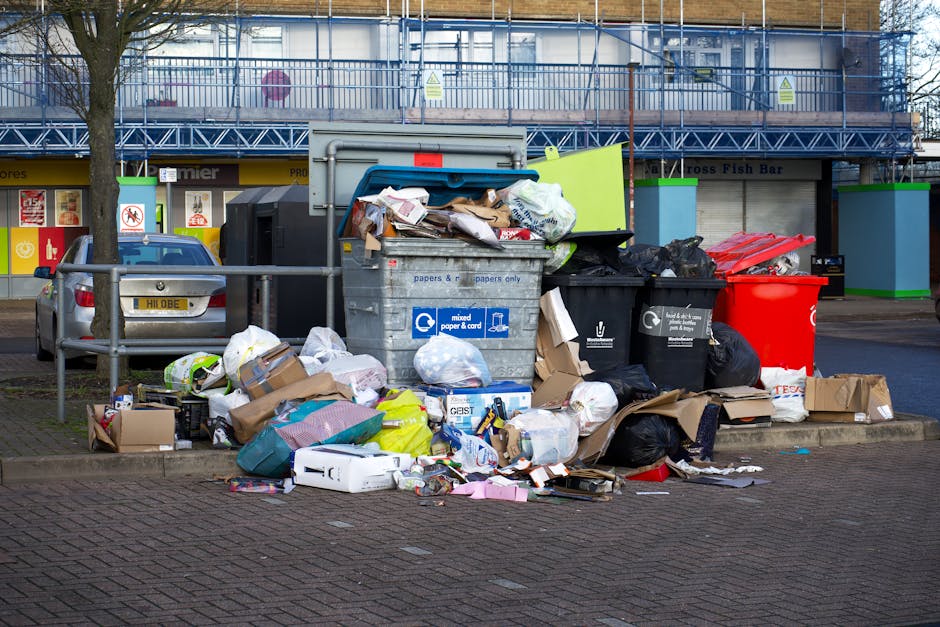
In a busy area like Finsbury Park, there are extra wrinkles. Flats share entrances. Parking is limited. Roads can be tight. Bin stores fill up quickly. A single mattress left out at the wrong time can create a mess, attract complaints, or be treated as fly-tipping. Nobody wants that. Not the resident, not the landlord, and definitely not the council team trying to keep things moving.
This topic matters for another reason too: bulky waste is rarely just "rubbish." It often includes reusable furniture, electrical items, construction leftovers, or mixed materials that need separating. If you deal with it properly, you can reduce waste, save time, and sometimes lower the total cost by avoiding unnecessary trips or poor planning.
If you are also dealing with a broader clear-out, you may want to look at house clearance in Finsbury Park or rubbish clearance in Finsbury Park for a more joined-up approach. That often makes more sense than tackling one item at a time. Less back and forth. Less faffing about.
How Bulky waste permits Haringey council Finsbury Park guide Works
At a practical level, bulky waste permits are about permission to present large or awkward items in a way that complies with local collection rules or street-use expectations. Depending on the exact arrangement, you may need approval for placing items outside your property, booking a collection slot, or using a skip, scaffold, or temporary loading arrangement. The detail matters, and the detail can change depending on the item, location, and who is collecting it.
For ordinary residents, the first question is usually simple: Do I need permission, or do I just need a collection booking? The answer depends on the disposal method. A council bulky waste collection is different from a private waste removal service, and both are different again from storing items on public land or in a communal area. If your bulky items are going to sit on a pavement, in a shared forecourt, or somewhere that affects public access, you should assume some level of approval or arrangement may be needed.
In Finsbury Park, the most common scenarios are:
- a flat clear-out after a move
- old furniture being replaced
- office furniture or packaging being removed
- builder's waste from a small refurbishment
- garage, loft, or garden clearances
If the waste is genuinely bulky, awkward, or mixed, it helps to separate what is reusable, recyclable, and plain disposal waste. That is where a service overview can help you judge the best route, so take a look at the service options overview if you are comparing ways to get it done.
To be fair, the process is not glamorous. But it is predictable once you know the moving parts: what the item is, where it will be placed, who will move it, and whether it needs to be booked or authorised in advance.
Key Benefits and Practical Advantages
Getting the permissions and collection method right saves more than just time. It reduces stress, keeps neighbours happy, and avoids the kind of avoidable problem that snowballs into a complaint. Here are the main benefits you will notice.
- Fewer delays: You are not waiting around because a collection was refused or a booking was incomplete.
- Less risk of penalties: Items left out improperly can create enforcement issues or attract fines.
- Better space management: You can clear hallways, gardens, and shared areas without chaos.
- Cleaner sorting: A planned collection makes it easier to separate reusable items from true waste.
- Lower stress on moving day: This one matters more than people admit. Once the space is clear, everything feels manageable again.
There is also a hidden benefit: once bulky waste is handled properly, you can spot other clutter that has been quietly building up for months. Old boxes. A broken lamp. The spare chair nobody sits on but nobody wants to throw away either. Sound familiar?
If you are dealing with furniture specifically, you may find furniture disposal in Finsbury Park useful, especially when an item is too large for normal household disposal but not necessarily hard waste in the construction sense.
Who This Is For and When It Makes Sense
This guide is for anyone in or around Finsbury Park who needs to dispose of large items without making a mess of the process. That includes tenants, homeowners, landlords, letting agents, office managers, tradespeople, and anyone trying to empty a property before a deadline.
It makes sense to think about permits or structured collection if:
- the item is too large for normal bins
- you live in a flat with shared access
- the waste will need to be left outside temporarily
- you are clearing multiple heavy items at once
- you have time constraints, such as end-of-tenancy or sale deadlines
- you need to keep walkways, entrances, or parking areas clear
This is also relevant if you are already thinking about property value and presentation. A tidy exterior and a clear internal space help when selling or letting. If that is your situation, it may be worth reading the Finsbury Park property buying guide or the article on whether Finsbury Park is the right place for you, because space, storage, and local practicality matter more than glossy brochures tend to admit.
You will also see these issues crop up in office and shop settings. Clear desks, filing cabinets, packaging, and old stock all behave like bulky waste once they start taking up circulation space. For that, office clearance in Finsbury Park is often the cleaner solution.
Step-by-Step Guidance
If you want a straightforward path, follow this order. It keeps the job calm and reduces the chance of having to redo anything.
- List the items clearly. Write down exactly what needs removing. A sofa, not "some furniture." A fridge, not "one big thing in the kitchen." Precision helps.
- Check where the items will sit. Private garden, shared hallway, pavement, driveway, loading bay - each location can trigger different rules or permissions.
- Separate waste types. Put furniture, electricals, garden waste, and building offcuts into different groups if possible. It can make collection much easier.
- Choose the removal route. Decide whether a council-style collection, a private clearance service, or a skip is the better fit.
- Confirm access details. Think about stairs, width of doors, parking restrictions, and timing. A collection team needs to know what they are walking into, ideally before they arrive.
- Arrange the permit or booking. If anything is being left in a controlled or public-facing space, make sure the permission is in place first.
- Prepare the site. Clear a route, protect floors if needed, and keep pets or children away from the work area.
- Keep proof and confirmation. Save booking references, payment receipts, or written approval. It sounds tedious. It is useful later if anything gets questioned.
If the items include mixed waste from a renovation, a dedicated builders' clearance route is usually better than trying to squeeze everything into a generic collection. See builders waste clearance in Finsbury Park if that is your situation.
And if you are clearing a loft or garage, keep an eye out for awkward hidden items. Old paint tins, broken frames, half-used boxes, even things you forgot existed. Every home has a small museum of "I'll deal with that later."
Expert Tips for Better Results
Here is where a bit of practical experience pays off. The difference between a smooth clearance and a messy one often comes down to preparation, timing, and communication.
- Measure large items before collection day. A wardrobe that looks fine in the room may be a nightmare on the stairs.
- Photograph the waste if you are getting a quote. Good images help with accurate pricing and reduce surprises.
- Book earlier than you think. Last-minute clearances often cost more in stress than money.
- Keep reusable items separate. If something can be donated, resold, or reused, do not let it get mixed into rubbish by mistake.
- Ask about lifting access. It matters whether items need to come down stairs or can be removed from street level.
- Plan around neighbours. In a shared building, early morning noise or blocked access can create tension fast.
One small but useful habit: leave the items in a single, accessible stack if possible. It makes the site feel calmer and helps the collection team work quickly. Not fancy. Just sensible.
If you are comparing removal methods, the pricing page is worth a look too: pricing and quotes. Even if you are not ready to book, it helps set expectations.
Common Mistakes to Avoid
Most bulky waste problems come from a few repeat mistakes. They are easy to avoid once you know them, but they catch people out all the time.
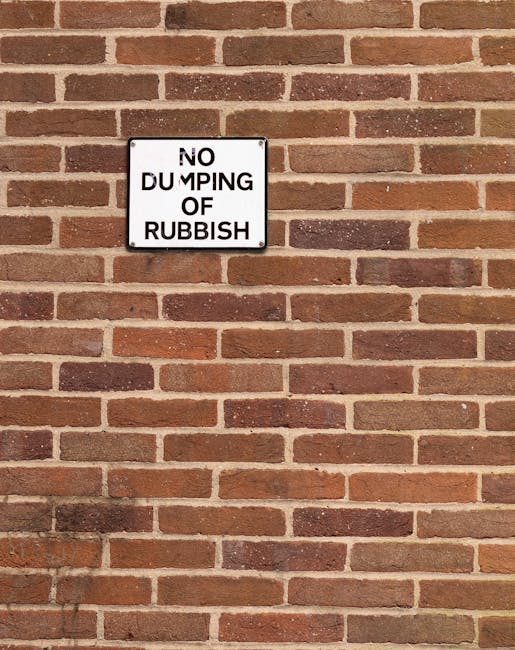
- Leaving items out too early. This can create obstruction complaints or attract fly-tipping behaviour.
- Assuming every collection is the same. Council collections, private collections, and skip hire all work differently.
- Mixing prohibited items with general waste. Some items need special handling. Do not bundle everything together and hope for the best.
- Forgetting about access. A collection plan that ignores stair width or parking limits will usually fail in practice.
- Choosing the cheapest option without checking what is included. The lowest quote is not always the best value if it excludes lifting, loading, or disposal.
- Ignoring shared-building rules. In flats and estates, one resident's "quick tidy-up" can become everyone else's inconvenience.
There is also a more subtle mistake: not considering the broader clear-out. A single sofa can lead to a hallway full of "while I'm at it" items. That is how a small job turns into a bigger one. Happens all the time, really.
Tools, Resources and Recommendations
You do not need fancy kit for bulky waste, but a few simple tools make the whole process easier.
- Tape measure: for doorways, hallways, and the item itself
- Phone camera: for quoting, documentation, and access photos
- Strong gloves: especially if handling broken edges or old furniture
- Dust sheets or floor protection: useful in stairwells or finished interiors
- Labels or marker pens: handy when separating items for reuse, recycling, or disposal
- Bin bags and boxes: for the smaller debris that always appears once the big items are gone
For ongoing sustainability questions, it is sensible to think beyond disposal and look at reuse first. The recycling and sustainability page is a useful place to understand the general approach to better waste handling and lower-impact clearance.
If your waste is just a few bulky household items, rubbish collection in Finsbury Park may be all you need. If it is a full clear-out, or if the items are awkward and heavy, a more comprehensive service is often the smoother route.
Law, Compliance, Standards, or Best Practice
For this topic, the safest way to think about compliance is simple: do not place waste in a way that creates obstruction, hazard, or unauthorised use of public space. That applies whether you are using council arrangements or private removal. If the waste goes into a public area, shared access route, or controlled parking space, permission and timing become important very quickly.
Best practice in the UK waste sector also means using a carrier who handles waste responsibly, keeps proper records, and separates recyclable materials where practical. You do not need to become an expert in waste legislation overnight - thank goodness - but you should expect a professional approach to handling, loading, transport, and disposal.
In practical terms, look for:
- clear communication about what can and cannot be taken
- safe handling of heavy or awkward items
- respect for access routes and neighbours
- reasonable evidence of proper disposal practices
- transparent terms and conditions
It is also sensible to review service terms before booking. If you want that reassurance laid out plainly, read the terms and conditions and the insurance and safety information. That kind of admin is not thrilling, granted, but it is exactly what keeps a job predictable.
Options, Methods, or Comparison Table
There are usually three realistic ways to deal with bulky waste in Finsbury Park: arrange a council-style collection or permit, book a private clearance service, or hire a skip. Which is best depends on the load, access, and timing.
| Method | Best for | Strengths | Drawbacks |
|---|---|---|---|
| Council bulky waste collection / permit route | Smaller planned disposals, where rules are clearly met | Can be straightforward and suitable for routine household items | May have restrictions, timings, or item limits |
| Private bulky waste clearance | Mixed items, tight deadlines, awkward access, multi-item clear-outs | Flexible, quick, often includes lifting and loading | Pricing varies depending on volume and access |
| Skip hire | DIY projects, renovation waste, ongoing loading over time | Good if you want a container on site for repeated use | Needs space, may require permission, and can be unsuitable for narrow streets |
If your job is linked to building work, skip hire in Finsbury Park can make sense. If you need fast removal and do not want a skip sitting outside, the more direct route is often better. Not always. But often.
Case Study or Real-World Example
Here is a realistic scenario. A couple in a top-floor flat near the station had a sofa, a broken chest of drawers, two office chairs, and several bags of mixed household clutter left after a move. The stairwell was narrow, the front parking was awkward, and the estate entrance had a shared path that needed to stay clear.
At first, they thought about leaving everything outside in one go. Sensible? Not really. After checking access, they split the job into two stages: small items were bagged and labelled, while the larger furniture was measured and scheduled for collection. The route through the building was cleared, floors were protected, and the items were grouped neatly so the team could load quickly.
What made the difference was not force. It was planning. The job finished with no hallway pile-up, no neighbour complaints, and no frantic scramble to move the sofa at 7 a.m. in the rain. A bit unglamorous, yes, but perfectly effective.
That kind of approach is especially useful if your clearance forms part of a bigger move or a sale. In that case, local context matters too. Some readers find it helpful to explore a guide to the charm of Finsbury Park or Finsbury Park real estate deals when they are tying waste removal into a property decision. The practical side of the move often shapes the deal more than people expect.
Practical Checklist
Before you book or place anything outside, run through this checklist. It is quick, and it saves awkward surprises.
- Have I listed every bulky item that needs removing?
- Do I know whether the items will sit on private or shared/public space?
- Have I checked whether a permit, booking, or approval is needed?
- Are any items electrical, hazardous, or likely to need special handling?
- Have I measured large furniture against the access route?
- Do I know the collection time and who will be present?
- Have I separated reusable items from rubbish?
- Is the path clear for lifting and loading?
- Do I have confirmation, reference numbers, or written permission saved?
- Have I chosen the removal method that fits the access, quantity, and deadline?
If you can tick most of those off, you are already ahead of the game.
Get a free quote today and see how much you can save.
If you want to talk through a bulky waste job, compare options, or understand the safest way to clear items from a flat, office, or shared property, it is worth getting guidance early rather than guessing later. A quick conversation now can spare you a messy afternoon later.
Conclusion
Bulky waste is one of those jobs that looks simple from a distance and slightly chaotic up close. In Finsbury Park, that is especially true because access, parking, shared entrances, and local permissions all shape the best approach. The good news is that once you understand the basics of bulky waste permits, collection planning, and safe disposal, the whole thing becomes much easier to manage.
The main takeaway is straightforward: match the disposal method to the item, the location, and the urgency. Do that, and you will avoid most of the usual problems. Keep things clear, keep them lawful, and keep neighbours in mind. The rest tends to fall into place.
And honestly, there is a certain relief in getting a bulky waste job done properly. The room feels bigger. The air feels lighter. The place just works again.


 Tipper Van - Rubbish Removal and Garage Clearance Prices in Finsbury Park, N4
 Luton Van - Rubbish Removal and Garage Clearance Prices in Finsbury Park, N4