Urgent rubbish removal mistakes to avoid in Finsbury Park
Posted on 07/08/2026
When rubbish starts piling up fast, it has a way of making everything feel a bit more urgent than it should. A blocked hallway, a fly-tipped mattress, broken furniture after a move, or a sudden office clear-out can all push you into quick decisions. That is exactly when urgent rubbish removal mistakes to avoid in Finsbury Park matter most. The pressure is real, and so are the risks: extra costs, missed collections, avoidable damage, and awkward delays that turn a simple job into a messy one. The good news? Most problems are easy to prevent once you know what to look for.
This guide breaks down the most common mistakes people make under time pressure, how urgent rubbish removal typically works, what to check before you book, and how to keep things safe, legal, and efficient in a busy North London setting. If you want the job done quickly without creating a second problem, you are in the right place.

Why urgent rubbish removal mistakes to avoid in Finsbury Park matters
Urgent rubbish removal is not just about "getting rid of stuff quickly." In a place like Finsbury Park, where roads can be busy, access can be tight, and parking can be a headache on a normal day, speed without planning can backfire. A rushed booking can leave you with a van that cannot park nearby, a crew that was not told about stairs, or a collection slot that clashes with your day. That is the sort of thing that turns a two-hour job into an all-afternoon scramble.
There is also the practical side. Mixed waste, bulky items, and awkward access often need more than guesswork. If you underdescribe what needs removing, the team may arrive without the right capacity or handling plan. If you overfocus on the cheapest quote, you can end up paying for extras later. To be fair, everyone wants a fast fix when the place feels cluttered and stressful. But the faster the job needs to happen, the more important accurate information becomes.
Think about the usual local scenarios: a landlord needs a flat cleared before the next tenant arrives, a family is dealing with an unexpected bereavement and needs sensitive help, or a small shop in the area has cardboard, fixtures, and damaged stock building up out back. None of these situations leaves much room for trial and error. One wrong assumption, and you are stuck with waste that is still there on the wrong day.
Practical takeaway: the biggest mistake in urgent rubbish removal is not speed itself. It is trying to move quickly without giving the job enough detail, space, or planning.
That sounds obvious, but it is the point people miss most often. And once the waste is blocking a doorway or taking over the garden, obvious things have a habit of disappearing.
How urgent rubbish removal works
Urgent rubbish removal usually follows a fairly simple pattern, even if the situation feels chaotic. You describe what needs clearing, the team estimates the load and access needs, a collection is arranged, and the waste is removed for sorting, reuse, recycling, or disposal. The better the initial description, the smoother the rest of the job tends to go.
In practical terms, the process usually includes these stages:
- Initial assessment: You explain the type of waste, approximate volume, and any access issues such as narrow stairwells, controlled entry, or parking restrictions.
- Quote or estimate: A price is usually based on volume, weight, labour, item type, and how tricky the site is to access.
- Arrival and loading: The crew confirms the load, then removes items carefully, often sorting as they go.
- Final check: The area is left tidy, and any items that cannot be removed safely or legally are flagged.
That sounds straightforward, and most of the time it is. The snag is that urgent jobs often involve assumptions. Someone says, "it is just a bit of rubbish," but the pile turns out to be broken furniture, plasterboard, old paint tins, and a fridge. Or the waste is in a basement with no easy lift access. You get the idea. The job is rarely as simple as it looks from one angle.
Good providers will ask the annoying questions. Honestly, that is a positive sign. They are usually trying to stop you from paying for avoidable delays or booking the wrong type of collection. If nobody asks about access, waste type, or timing, that is worth a second thought.
If your clear-out is part of a bigger property move or refurbishment, it can help to read related guidance on house clearance options and builders waste removal so you can match the service to the job rather than forcing the job into the wrong service.
Key benefits and practical advantages
When urgent rubbish removal is planned properly, the benefits are immediate and easy to feel. The space opens up. The stress drops. You can actually move around again without stepping over bags, splintered wood, or that one box you keep pretending will sort itself out.
Here are the main advantages people usually care about:
- Speed: urgent collections can restore order before a deadline, inspection, sale, or handover.
- Safety: removing sharp, heavy, or unstable waste reduces trip hazards and manual handling risks.
- Convenience: less sorting, less lifting, and fewer trips to a tip or recycling point.
- Cleaner presentation: useful for landlords, letting agents, shop owners, and homeowners preparing a property for viewings.
- Better decision-making: a clear site makes it easier to see what still needs doing.
There is also a quieter benefit that people do not always mention: relief. A cluttered space can feel mentally noisy. You hear it in the shuffle of boxes, see it in the pile by the door, and every glance reminds you there is another task waiting. Once the waste is gone, the room feels different. Lighter, somehow.
For businesses, speed can protect operations. For households, it can prevent a small issue from becoming a bigger one. And for anyone under time pressure, a well-run removal is often the difference between calm progress and a slightly embarrassing last-minute panic.
Who this is for and when it makes sense
Urgent rubbish removal is useful for a wide range of people, but it makes the most sense when time, access, or volume make DIY disposal awkward.
You may need it if you are:
- moving out and need a flat or house cleared quickly
- dealing with accumulated household clutter before a landlord inspection
- clearing a garden after storm damage or a long build-up of waste
- removing bulky furniture, mattresses, or broken appliances
- handling shop, office, or storage unit waste that needs prompt attention
- managing an estate or sensitive property clearance
- sorting out waste left behind by tenants, contractors, or previous occupants
It makes less sense if the waste is tiny in volume, easy to carry, and you already have transport, time, and legal disposal options. In that case, a simple self-managed trip may be enough. But once the job gets heavy, awkward, or time-sensitive, the balance changes quickly.
One common real-world situation: you walk into a rented property on a Friday afternoon and realise the old sofa, a broken desk, and several bin bags still need to be gone before Monday. That is not the moment for overthinking. It is the moment for clarity. What exactly is there? How much space does it take? Can it be accessed without blocking the whole staircase? Answer those questions early, and the rest becomes much easier.
Step-by-step guidance
If you want to avoid the usual urgent rubbish removal mistakes in Finsbury Park, it helps to slow the process down just enough to be accurate. Not slow. Just accurate. The difference matters.
1. Identify the waste properly
Start by separating the waste into broad categories: general household rubbish, furniture, white goods, garden waste, renovation debris, and anything potentially hazardous. A pile that looks simple can hide complications. For example, a "broken wardrobe" may be easy, but a wardrobe with mirrors, metal fittings, and mould can require different handling than flat-pack timber.
2. Check access before booking
Ask yourself: where will the van park, how far is the waste from the vehicle, and are there stairs, lifts, gates, or narrow entrances? In Finsbury Park, access can change the whole job. A collection that looks quick on paper can become slow if parking is tight or the waste is stored at the back of a block.
3. Be honest about volume
People often underestimate how much space rubbish takes up. Bags squash, but furniture does not. A stack of bulky items can fill a van surprisingly fast. If you are unsure, take a few photos from different angles. That small effort can save a lot of back-and-forth later.
4. Confirm what cannot be taken
Some items need special treatment, and not everything belongs in a standard rubbish load. Paints, solvents, gas cylinders, certain electrical items, and some construction materials may need separate handling or checks. If you are not sure, ask before collection day rather than discovering the issue at the kerb.
5. Prepare the site
Make the load as easy to access as possible. Put the items together, clear a route, and remove anything you want to keep. Sounds basic, but this is where people trip up. A tidy path can shave time off the collection and reduce the chance of accidental damage.
6. Stay available during the collection window
Urgent jobs often depend on timing. If the crew cannot reach you, confirm directions, entry details, or access codes in advance. Delays are common enough without a locked gate adding drama.
7. Do a final check before the van leaves
Walk through the cleared area and look for missed items, damage, or anything that needs a second pass. It is much easier to fix a small miss immediately than after the vehicle has gone. That one is worth remembering.
Expert tips for better results
Here is the plain truth: the best urgent rubbish removals are rarely the ones that feel rushed. They are the ones where someone made a few smart decisions early and avoided preventable friction.
Tip 1: Send photos, not guesses. Photos give a far better idea of volume and access than a quick verbal description. Include wide shots and close-ups. If the waste is in a basement, garden, loft, or rear alley, show that too.
Tip 2: Group similar items together. It helps the loading process and makes it easier to identify anything that needs separate handling. Furniture with furniture. Bagged waste with bagged waste. Simple, but effective.
Tip 3: Keep the "maybe" items out of the main pile. If you are unsure whether you want to keep, donate, or throw away something, set it aside before the team arrives. Once the clock is ticking, uncertainty gets expensive.
Tip 4: Think about neighbours and access noise. In shared buildings, stairwells and front entrances can get busy. A quick collection can still feel disruptive if it blocks the way at the wrong time. A little courtesy goes a long way.
Tip 5: Match the service to the waste type. A mix of furniture, builders debris, and appliances may need more than a standard bag-and-go approach. It is not about being fussy; it is about avoiding a half-finished job.
Tip 6: Do not leave sorting until the last minute. If you need to separate recyclables, keep electricals apart, or remove personal paperwork, do it before the removal day. Last-minute sorting in the hallway is rarely anyone's best moment.
And yes, sometimes the most expert tip is simply this: slow down for five minutes so you do not lose five hours later. A bit dramatic? Maybe. Still true.
Common mistakes to avoid
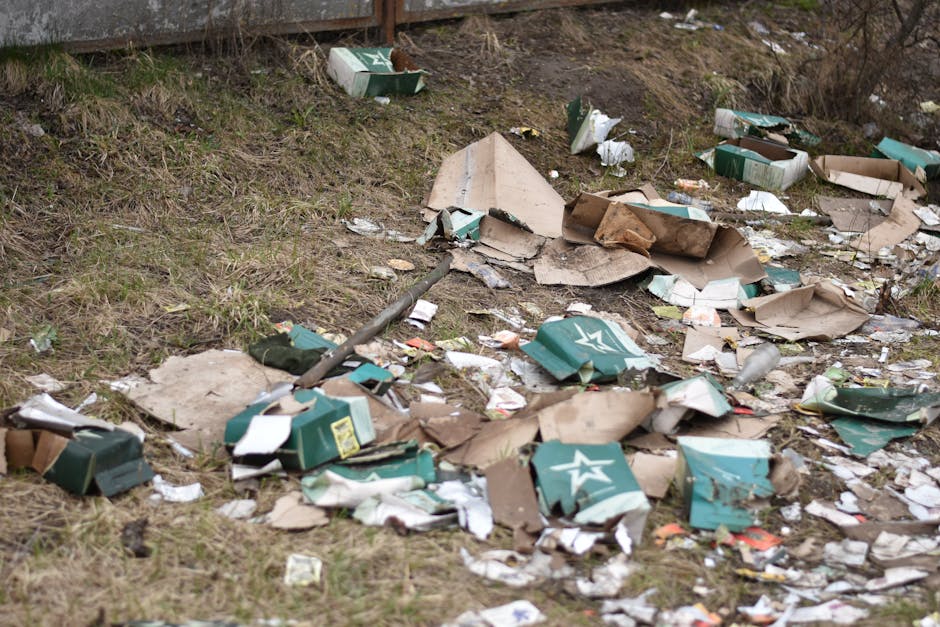
This is the section that usually saves people the most trouble. A lot of urgent rubbish removal mistakes are not technical. They are judgment mistakes under pressure.
1. Booking before you know what needs removing
If you only say "there's a lot of rubbish," the quote may be too vague to be useful. Be specific. The more precise the description, the better the collection plan.
2. Forgetting about access problems
Parking, stairs, communal entrances, and timed entry restrictions are not minor details. They are the job. If they are not discussed, they will slow everything down later.
3. Underestimating the load
That pile of bags in the corner looks manageable until you realise each bag contains mixed waste and the sofa is heavier than it looked. Happens all the time.
4. Mixing restricted items into general waste
Some items cannot just be lumped in together. Doing so can create delays, compliance issues, or extra charges. Better to flag uncertain items early.
5. Choosing only on price
The cheapest option can be tempting, especially if the rubbish is getting on your nerves. But if a quote does not include the right labour, access allowance, or disposal approach, it may cost more in the end.
6. Not clearing the route
People often focus on the waste itself and forget the path to it. Shoes by the door, bikes in the hall, a pram, loose cables, plant pots - all tiny obstacles until someone is trying to carry a wardrobe past them.
7. Leaving valuables or documents in the pile
This one is more common than people admit. Old folders, keys, photo albums, and personal notes can slip into waste piles. Check carefully before collection.
8. Failing to confirm timing
If the collection is urgent, timing matters more than usual. A missed arrival window can ruin the whole day's plan. Confirm the expected slot and be ready.
9. Ignoring what the team cannot take
Some waste needs special handling. If you do not ask in advance, you may end up with a partial clearance and another problem to solve.
10. Not asking for a tidy finish
A good removal should leave the area usable, not just empty. If you want sweeping-up or a final sweep of loose debris, say so upfront. Simple enough, really.
Tools, resources and recommendations
You do not need much equipment for a well-managed urgent rubbish removal, but a few simple tools make a big difference. Nothing fancy. Mostly things that stop the job from becoming chaotic.
- Phone camera: use it to photograph waste, access points, and any items you are unsure about.
- Basic labels or tape: useful for marking items to keep, donate, or remove.
- Heavy-duty gloves: helpful when sorting sharp or dusty items before collection.
- Black bags or clear sacks: keep small waste contained and easier to move.
- Measuring tape: handy if you need to check whether bulky items will fit through a doorway.
- Checklist note on your phone: surprisingly useful when you are juggling keys, timing, and access details.
For readers in the middle of a larger clearance, related service pages such as garden waste removal and end of tenancy cleaning can help you think through the wider job if the rubbish is only one part of the issue.
My recommendation is simple: prepare less stuff than you think you need, but prepare it properly. A phone photo, a short item list, and a clear access note will solve more problems than a pile of guesswork ever will.
Law, compliance, standards, or best practice
When you are arranging urgent rubbish removal, compliance is not just a box to tick. It is what keeps a rushed job from becoming a risky one. In the UK, waste should be handled in line with recognised duty-of-care expectations, and anyone removing waste professionally should be able to explain what happens to it. You do not need to become a legal expert overnight, but you do want to avoid handing rubbish to someone who cannot show they are operating properly.
Here are the sensible best-practice checks:
- Use a reputable provider: ask how the waste is managed after collection.
- Keep records where appropriate: especially for business clearances or larger loads.
- Be careful with hazardous or restricted waste: these items may need separate handling.
- Avoid fly-tipping risk: if a quote looks suspiciously low and the operator is vague, that can be a warning sign.
- Protect shared spaces: in flats or managed buildings, respect access rules and communal areas.
For households, the practical rule is simple: do not assume every item can go in one mixed pile. For businesses, the standard should be a little higher still, because waste records, access arrangements, and property handovers can all matter later. A quick job still deserves proper handling. Especially then.
It is also worth remembering that some items, like fridges, chemicals, or large electricals, may need specific disposal routes. If you are unsure, ask before the waste leaves the building. Nobody enjoys sorting that out after the fact.
Options, methods, or comparison table
There is more than one way to deal with urgent rubbish, and the best choice depends on volume, access, time, and how physically demanding the job is. Here is a simple comparison to help you choose.
| Method | Best for | Advantages | Limitations |
|---|---|---|---|
| DIY disposal | Small, manageable loads | Low direct cost, full control | Time-consuming, vehicle needed, lifting risk |
| Skip hire | Larger projects with space to place a skip | Good for ongoing work, flexible loading | Requires space, permits may be needed, access can be awkward |
| Man-and-van removal | Urgent mixed waste and bulky items | Fast, convenient, labour included | Quote depends heavily on access and volume |
| Specialist clearance | Complex, sensitive, or high-volume jobs | Useful for estates, hoards, or difficult sites | May take more planning and be more costly |
For many Finsbury Park households and small businesses, man-and-van removal is the sweet spot when time is tight. It tends to suit cramped streets, awkward stair access, and mixed waste better than a skip sitting outside for days. That said, if the waste is part of a long renovation, a skip may make more sense. Different jobs, different tools. It is not one-size-fits-all.
Case study or real-world example
Here is a realistic example based on the kinds of jobs people often face locally. A flat in Finsbury Park needs to be cleared before new tenants move in. The outgoing occupants have left a broken bed frame, two wardrobes, bagged clothing, old kitchenware, and a few damp boxes in the hallway. The landlord wants it handled quickly because the next viewing is already booked for the weekend.
The first instinct might be to ask for "urgent rubbish removal" and leave it there. But that is where things can slip. The wardrobes are upstairs. The building has a narrow staircase. There is limited parking outside at certain times. Some of the bagged waste may include paperwork and personal items that should not be removed until checked. If those details are not shared early, the collection may arrive unprepared or the quote may change on the day.
In a better version of the same job, the landlord sends photos, notes the floor level, flags the access constraints, and separates anything that must be reviewed first. The removal is then planned properly, the team knows what to expect, and the flat is left ready for cleaning and viewing without a lot of last-minute drama. Nothing magical there. Just a bit of preparation.
The lesson is simple: the urgent part of the job should be the timing, not the planning. If you keep that in mind, you avoid most of the headaches.
Practical checklist
Use this checklist before your collection. It is short on purpose. Under pressure, short is better.
- Identify all items that need removing
- Separate anything you want to keep
- Take photos of the waste from more than one angle
- Note stairs, lifts, parking, gates, and entry restrictions
- Measure any bulky items if access is tight
- Keep restricted or uncertain items apart
- Clear a path to the waste
- Confirm the collection time window
- Make sure someone can grant access if needed
- Check the area before the team leaves
If you can tick off those ten points, you are already ahead of most rushed collections. Honestly, that is half the battle.
Conclusion
Urgent rubbish removal does not need to be stressful, but it does need to be specific. The biggest mistakes in Finsbury Park usually come from speed, assumptions, and poor access planning rather than the waste itself. Once you describe the job clearly, check what is allowed, and prepare the space, the process becomes much more manageable.
Remember the main idea: urgency should not mean chaos. If you avoid the common mistakes, you save time, reduce risk, and make the whole experience feel far more controlled. And that matters whether you are clearing a flat, a garden, a shop, or a property between tenants. A good removal gives you more than empty space. It gives you breathing room. That counts for a lot.
Get a free quote today and see how much you can save.
When the clutter is gone and the room feels open again, even the air seems lighter. That's usually the moment people realise they were carrying more than rubbish.



 Tipper Van - Rubbish Removal and Garage Clearance Prices in Finsbury Park, N4
 Luton Van - Rubbish Removal and Garage Clearance Prices in Finsbury Park, N4